7-Month Sleep Regression Explained: How Long It Lasts and How to Survive It
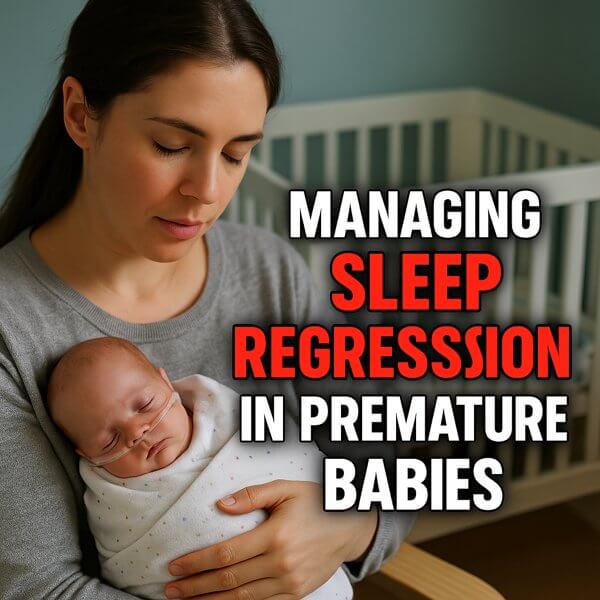
Around seven months, it is common for babies to experience unexpected sleep difficulties.
This temporary phase is known as the 7-month sleep regression.
It is a normal and temporary part of infant development.
What Is the 7-Month Sleep Regression?
The 7-month sleep regression describes a temporary disruption in a baby’s sleep patterns that usually occurs between six and eight months of age.
During this time, babies may wake more frequently at night or struggle with naps.
The main cause is fast brain and body development.
Common Signs of the 7-Month Sleep Regression
Although symptoms vary, certain patterns are very common.
- Frequent night wakings
- Sudden nap resistance
- Trouble settling at bedtime
- Early morning wake-ups
- Heightened need for comfort
A sudden shift in sleep without medical symptoms often points to regression.
Why Does Sleep Regression Happen at 7 Months?
Rapid Development
At this age, major developmental leaps occur.
New abilities often include crawling attempts, sitting up, and improved coordination.
Their brains continue practicing these skills, even during sleep.
Separation Anxiety
Emotional attachment becomes stronger during this phase.
Some babies seek reassurance during night wakings.
Schedule Adjustments
Sleep needs evolve around seven months.
Wake windows typically extend to 2.5–3 hours.
Duration of the 7-Month Sleep Regression
This regression will pass with time.
For most babies, it lasts between two and four weeks.
With consistent routines, improvement may happen sooner.
How Much Sleep Does a 7-Month-Old Need?
Most 7-month-olds require 12–15 hours of sleep daily.
- Overnight sleep: about 10–12 hours
- Daytime naps: roughly 2–3 hours
Adequate sleep reduces nighttime disruptions.
How to Survive the 7-Month Sleep Regression
Stick to a Predictable Routine
Predictable routines help babies feel secure.
Short, calming activities prepare babies for sleep.
Optimize Wake Times
Watching sleepy cues is essential.
Practice Skills During the Day
More playtime can improve nighttime sleep.
Be Consistent With Night Wakings
Avoid introducing new sleep habits.
Conclusion
Sleep disruptions at seven months are Look At This normal.
Your baby is developing exactly as expected.
Better sleep is ahead for both you and your baby.